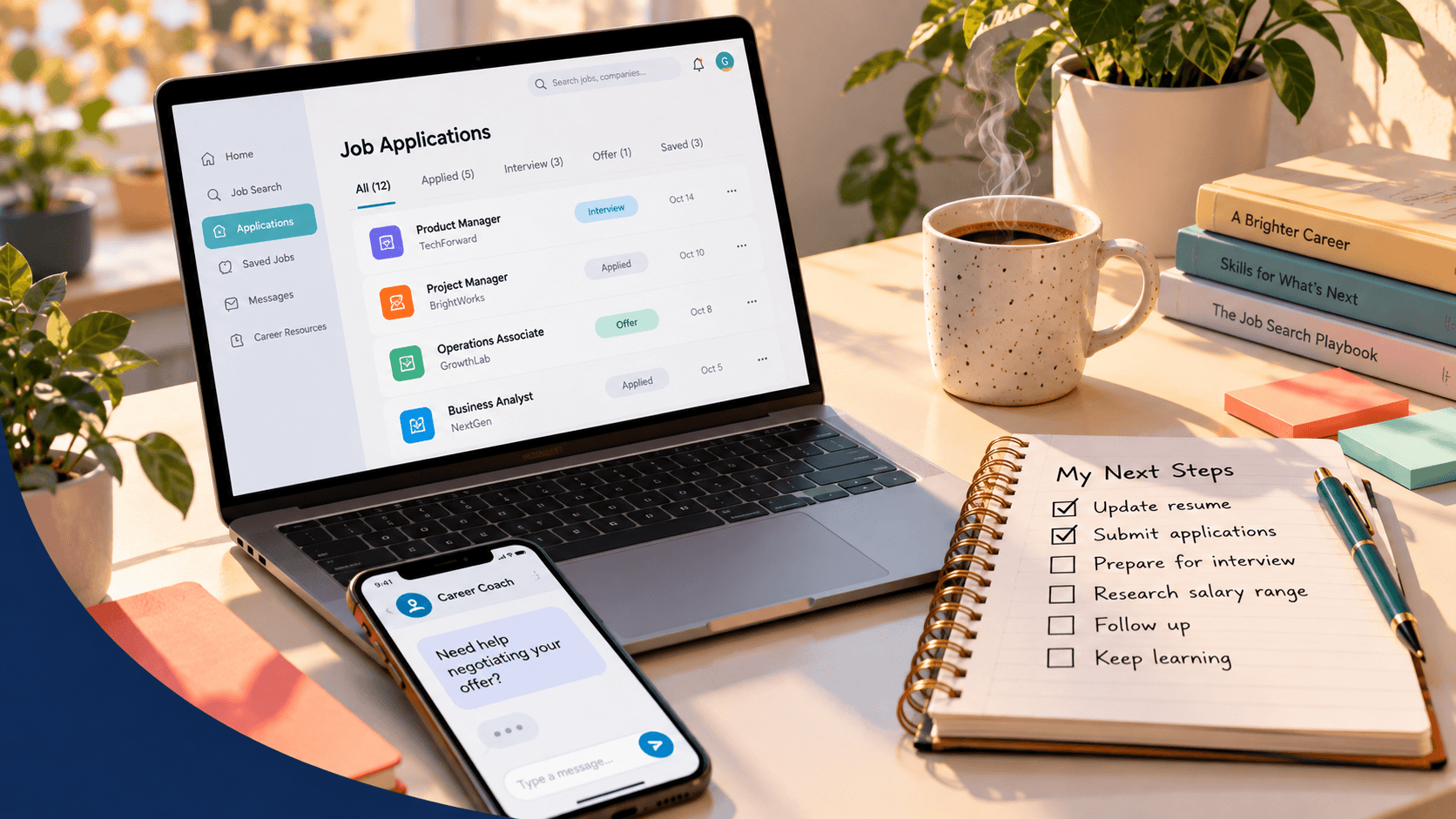
As the autumn hiring push takes off, job seekers are navigating a rapidly evolving job market. From mastering AI-powered candidate search tools to dealing with prolonged offer timelines and application burnout, today’s job hunt demands strategy over sheer volume. Success is no longer just about submitting dozens of resumes a day; it’s about making targeted moves, building visible proof of your skills, and knowing when to follow up.
This month, we gathered burning career questions straight from the job-seeking community on Reddit. Whether you are wondering how to prompt LinkedIn’s new AI tools, trying to build experience without an internship, or questioning if cover letters are still worth your time, we’ve got you covered.
Below are six real questions from job seekers, paired with practical, actionable advice to help you level up your application strategy and stand out to recruiters.
1. Navigating LinkedIn’s New AI Search
Answer: Treating the new LinkedIn AI search like a quick chat works, but you will get better results if you think of it as a conversational filter rather than a full-blown Q&A bot. Start with a clear, natural-language question—something like “find senior product managers in SaaS who have worked in New York and have AI experience”—and then let the AI suggest refinements. From there, you can add or remove keywords, tweak locations or years of experience, and even ask it to show people who have posted about a specific topic recently.
A solid tip is to make sure your own profile is primed to appear in those results. Fill out your headline and summary with the exact terms recruiters might search for, keep your headshot professional, and stay active by sharing or commenting on industry posts. When your own page is optimized, the AI’s suggestions will feel more relevant, and you will spend far less time sifting through mismatched profiles. Chat with the AI, iterate on your prompts, and pair that tool with a well-crafted profile to find the right connections faster.
2. Breaking into HR Without Official Experience
Answer: That frustration is completely understandable—it is tough to hit the "need experience to get experience" wall, especially when you are working full-time. The good news is that you do not need a formal internship to build relevant HR skills. Instead of trying to manufacture corporate experience, lean into the transferable skills you already have from volunteer work, community involvement, or side projects and frame them through an HR lens.
If you have ever organized community events, managed group communication, or handled volunteer scheduling, those are core people ops skills. Frame those activities on your resume around problem-solving, communication, and interpersonal dynamics. Since you are working full-time, start small: dedicate 30 minutes a week to earning a introductory HR certification or assist a local nonprofit virtually with volunteer onboarding. Showing initiative and connecting real-world human interactions to your degree goes a long way with hiring managers.
3. Handling a Delayed Job Offer
Answer: Getting stuck in offer limbo is stressful, especially when a recruiter gives vague timeline updates. This delay often happens due to internal approval holdups, budget recalculations, or miscommunication within human resources.
Send one more polite follow-up referencing the original target date, asking for a concrete timeline update, and letting them know you are continuing to explore your options in the meantime. If you do not receive a clear answer, try reaching out politely to the hiring manager you interviewed with to see if they can clarify the delay. Most importantly, keep applying and interviewing elsewhere. Never stop your job search until you have a signed offer in hand.
4. Mastering Post-Interview Thank You Notes
Answer: Absolutely send those thank you notes. It is one of the easiest ways to set yourself apart, as many candidates skip this step entirely. Sending a brief note demonstrates professionalism, detail orientation, and genuine interest in the role.
For afternoon interviews, sending your email the following morning is perfect timing. It shows thoughtful reflection rather than a rushed response. Keep the message concise: thank the interviewer for their time, mention a specific topic or project you discussed during the conversation, reaffirm your interest in the position, and offer to provide any additional information if needed.
5. High-Impact Job Application Tactics
Answer: Tailoring your resume remains essential because hiring managers scan quickly for relevant experience aligned directly with the job description. Cover letters are particularly important for roles in communications, marketing, or writing where demonstrated tone and narrative matter. For these positions, drafting a personalized cover letter yourself provides clear proof of your writing ability. For other roles where a letter is optional, using an AI tool to draft a framework and then customizing it with personal details can save time while maintaining quality.
Beyond resumes and cover letters, focus on tactics that yield high returns: add a clear summary line at the top of your resume, link to a clean portfolio or LinkedIn profile, and prioritize seeking internal referrals. Reaching out to contacts or alumni at target companies can move your application past automated filters much faster than cold applying.
6. Quality vs. Quantity in Job Applications
Answer: Quality consistently beats quantity when applying for jobs. Submitting two to three highly tailored, well-researched applications per day is far more effective than sending out dozens of generic resumes. Mass-applying leads to application fatigue and lower response rates.
Use the remainder of your job-search time to research target companies, refine your resume for specific industries, upskill through quick online courses, and network with professionals on LinkedIn. Treating your job search like a structured workday focused on targeted outreach will preserve your energy and produce better results.